Quality Structural Changes to Ensure Success
Upgrade Your Home: Key Information On Residential Improvement Projects for Each House Owner
Residents commonly search for methods to enhance their living spaces via professional remodeling. These projects can range starting with kitchen improvements to complete home renovations. Knowing the choices accessible is essential for deciding wisely. Moreover, one must consider practical considerations including financial planning and contractor selection. When property owners embark on this process, they might encounter unexpected challenges. The key to a successful transformation depends on careful planning and performance. Which actions should follow?
Understanding the Different Types of Residential Renovation Work
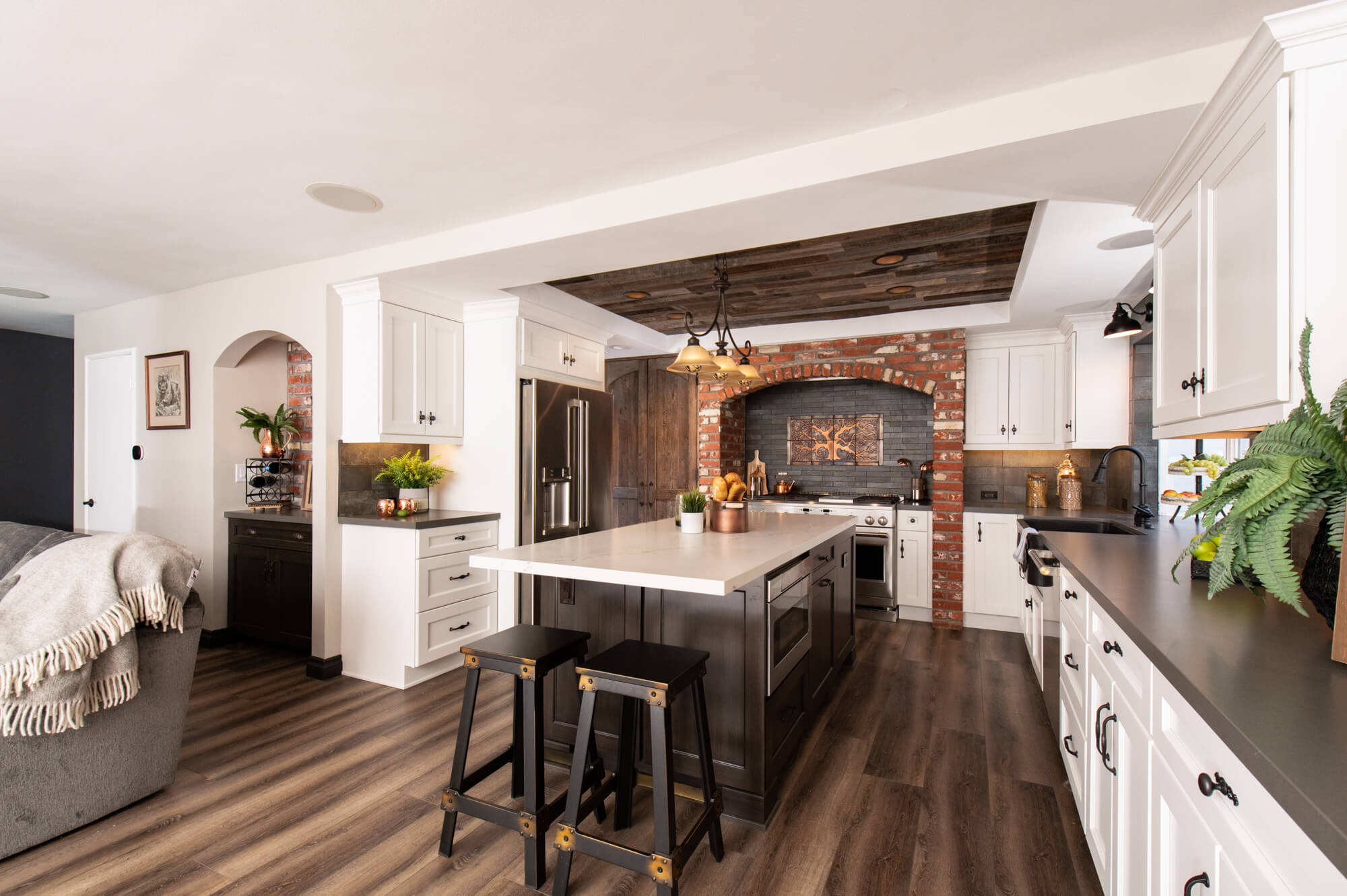
When homeowners consider renovating their living spaces, they typically find a variety of remodeling services tailored to different needs and preferences. These services can be broadly categorized into various categories, each addressing specific aspects of home improvement. Renovating the kitchen involves updating appliances, the cabinets, and floor plans to enhance functionality and visual appeal. Bathroom upgrades generally mean updating the hardware, tiling, and shelving options for improved comfort and visual flair.
Complete residential remodeling includes extensive modifications to the entire house, sometimes requiring major structural work to make the most of the space and layout. External improvement work, on the other hand, concentrate on enhancing curb appeal, dealing with the cladding, the covering, and the yard. Additionally, specialized services like basement finishing and upgrading the attic allow homeowners to maximize unused areas. All these service types delivers specific perks, letting residents pick services that fit their desired outcome for their home life. Grasping these differences is crucial to deciding intelligently throughout the remodeling project.
Setting a Realistic Budget for Your Home Improvement Work
What steps ensure their home upgrades are kept financially viable? Developing an achievable budget is essential. Property owners must start by determining their fiscal limits, covering savings and possible funding sources. This first stage will help determine how much can be allocated for the renovation without jeopardizing other monetary duties.
Subsequently, property owners need to investigate the expenses linked to their planned updates, considering materials, labor, and unforeseen expenses that often arise. Developing a comprehensive priority list helps with distinguishing essentials from desirable features, enabling modifications if the finances are strained.
It is smart to incorporate a reserve fund, typically around 10-20% of the total budget, to cover unexpected costs. Regularly reviewing and adjusting the budget during the renovation project can further assist in keeping finances in check. Ultimately, a well-planned budget not only guarantees project viability but also enhances the overall remodeling experience for homeowners.
Choosing the Right Contractor to Suit Your Project.
Choosing the appropriate professional has a major influence on the success of a remodeling project. Property owners ought to start by doing comprehensive research, seeking recommendations from friends, family, or online reviews. It’s vital to verify credentials, like licenses, insurance, and bonds, to verify their standing.
After suitable professionals have been found, property owners must ask for comprehensive quotes and schedules, facilitating well-grounded side-by-side evaluations. Meeting with them offers a look at their manner of communicating and their professional conduct, which are crucial for working together effectively.
In addition, looking at completed jobs through galleries or recommendations demonstrates the professional's skill level. It is wise to question them regarding warranties or safeguards, reflecting the contractor's confidence in their work.
Ultimately, selecting a contractor who aligns with the homeowner’s vision, budget, and timeline creates a better renovation journey, making certain the outcome satisfies needs and successfully updates the home's interior.
Structuring and Laying Out The Space You Envision.
As those renovating imagine their desired rooms, thorough preparation and well-considered layout become essential components of an effective updating job. The initial phase includes assessing present requirements and long-term goals, allowing for a thorough understanding of how the space will be used. It is important for homeowners to weigh practicality, aesthetics, and personal style, ensuring that the design reflects their unique preferences.
Next, establishing a thorough budget is crucial. This budget should cover supplies, workforce costs, and possible unexpected costs. Hiring professional designers can provide valuable insights, helping to optimize the space and respecting budgetary constraints.
Integrating components like natural light, open layouts, and sustainable materials can elevate the living environment. Finally, seeing the project via mock-ups or 3D visualizations can assist in finalizing plans prior to construction. By approaching the planning and design phase with intention, homeowners can design learn more a welcoming, practical area suited to their way of life.
Understanding Regulations and Permits in House Renovation
Understanding the complexities of permits and regulations can be daunting for homeowners beginning a home improvement project. Every local government sets particular guidelines that determine what is allowed during renovations, often influenced by area restrictions, building codes, and safety standards. It is essential for homeowners to understand local regulations so they don't incur hefty fees or project delays.
Typically, obtaining permits is crucial for substantial modifications, such as modifying load-bearing elements or electrical work. This process usually necessitates providing designs for examination and might demand site visits at various stages.
Working with a skilled professional can simplify this process, as they are often familiar with local codes and can aid in filing necessary forms. It is important for homeowners to communicate regularly with local building departments to guarantee compliance throughout the project. By grasping and navigating these regulations, homeowners can fulfill their improvement aims while guaranteeing that the work is safe and legal in their renovations.
FAQs
What is the Duration of a Standard Home Renovation?

The average remodeling job typically spans three to six months on average, based on the size of the job, size of the home, and supply chain status. Intricate jobs could demand more time for completion.
What are some typical errors that people make during remodeling?
Typical pitfalls in the remodeling process often involve underestimating budgets, not securing the required permissions, not adhering to the project schedule, failing to communicate effectively with contractors, and ignoring long-term functionality. Understanding these dangers often results in a smoother, more positive renovation outcome.
How do I choose the appropriate materials for my renovation?
Choosing the right materials requires assessing their resilience, visual appeal, and financial limits. Researching options, getting expert advice, and considering maintenance needs can greatly aid in making informed decisions, ensuring the project aligns your functional and aesthetic goals.
Is it possible to stay in my house throughout the construction phase?
Yes, one can live in the house while work is ongoing, but it might cause disruption. Thorough preparation, effective coordination with the renovation team, and setting aside certain zones for daily use will reduce the inconvenience during the process.
What guarantees should I look for from the renovation company?
Homeowners should expect warranties covering workmanship, the supplies used, and structural components, which usually last between one to ten years. It is crucial to review the fine print and details alongside your builders to clearly grasp what is covered and what is excluded.